


Configuring, Quoting, and Engineering Packaging Machinery Faster
Packaging lines are highly individual – assembled from dozens of modules with countless options. We turn this complexity into a manageable, end-to-end automated process.
© Gerhard Schubert GmbH
Why Packaging Projects Are So Complex
Module diversity, layout requirements, and system breaks make every packaging line a one-of-a-kind project – with the corresponding engineering effort:
Every Packaging Line Is Unique
Packaging lines are composed of dozens of modules – infeed, filling, sealing, labeling, cartoning, palletizing. Each module has its own variants and options. The combinations result in a virtually unlimited range of variants that is barely manageable manually.
Time-Consuming Layout Planning
Customers need a realistic layout of their packaging line early in the sales process – including placement within the existing facility, utility connections, and accessibility. Today, this planning is often done in 2D or as a time-intensive manual 3D model, taking weeks to complete.

©SOMIC Verpackungsmaschinen GmbH & Co. KG

©SOMIC Verpackungsmaschinen GmbH & Co. KG
Lack of 3D Visualization for Sales
Investment decisions for packaging systems frequently run into six figures. Customers expect a realistic 3D representation before granting approval. Without automated visualization, this becomes a bottleneck in the sales process.
System Breaks Between Configuration and Manufacturing
Data from the sales configurator is manually transferred into engineering, adjusted there, and then manually re-entered into the ERP system. At every handoff, information is lost or distorted – rework in manufacturing is the costly consequence.
Use Cases: How Packaging Machinery Manufacturers Benefit in Practice
Three typical scenarios showing how our solutions transform the sales and project planning of packaging lines:

Modulare Kartoniermaschinen mit variablen Formaten
Ein Hersteller von Kartoniermaschinen bietet verschiedene Maschinengrößen für unterschiedliche Kartonformate an. Über das CPQ-System konfiguriert der Vertrieb die Maschine nach Formatbereich, Leistung und Ausstattungsoptionen. Das System prüft automatisch die Kompatibilität der Module und erzeugt via Design Automation ein vollständiges 3D-Modell mit allen Formatteilen und Zuführstationen.

3D Layout Planning of Complete Packaging Lines
A system integrator plans complete packaging lines for end customers. Using 3D layout planning, the sales engineer places the configured modules within the customer’s facility, adds conveyor sections, and checks accessibility for maintenance and cleaning. The customer receives a walkable 3D visualization for approval – already in the quotation phase, not only after the order has been placed.
Automated Spare Parts and Service Packages
Based on the configured packaging line, the associated spare parts lists, maintenance plans, and service packages can be generated automatically. The bills of materials are transferred directly to the PDM/PLM or ERP system via system integration, creating a seamless data flow from configuration through manufacturing to after-sales service.
End-to-End Automated: Measurable Results.
40 %
faster throughput time from quote to manufacturing
3D
plant visualization directly during the sales conversation
≥ 25 %
less rework through error-free configuration
Software for Packaging Machinery
Our software and solutions address the challenges that arise when industrial processes reach their limits: product variety, manual handoffs, and a lack of integration between sales, engineering, and IT.
Tacton CPQ
The constraint-based engine intuitively guides users to a technically sound solution. It significantly speeds up the quote generation process and ensures maximum price transparency through automated real-time calculations for the sales team.
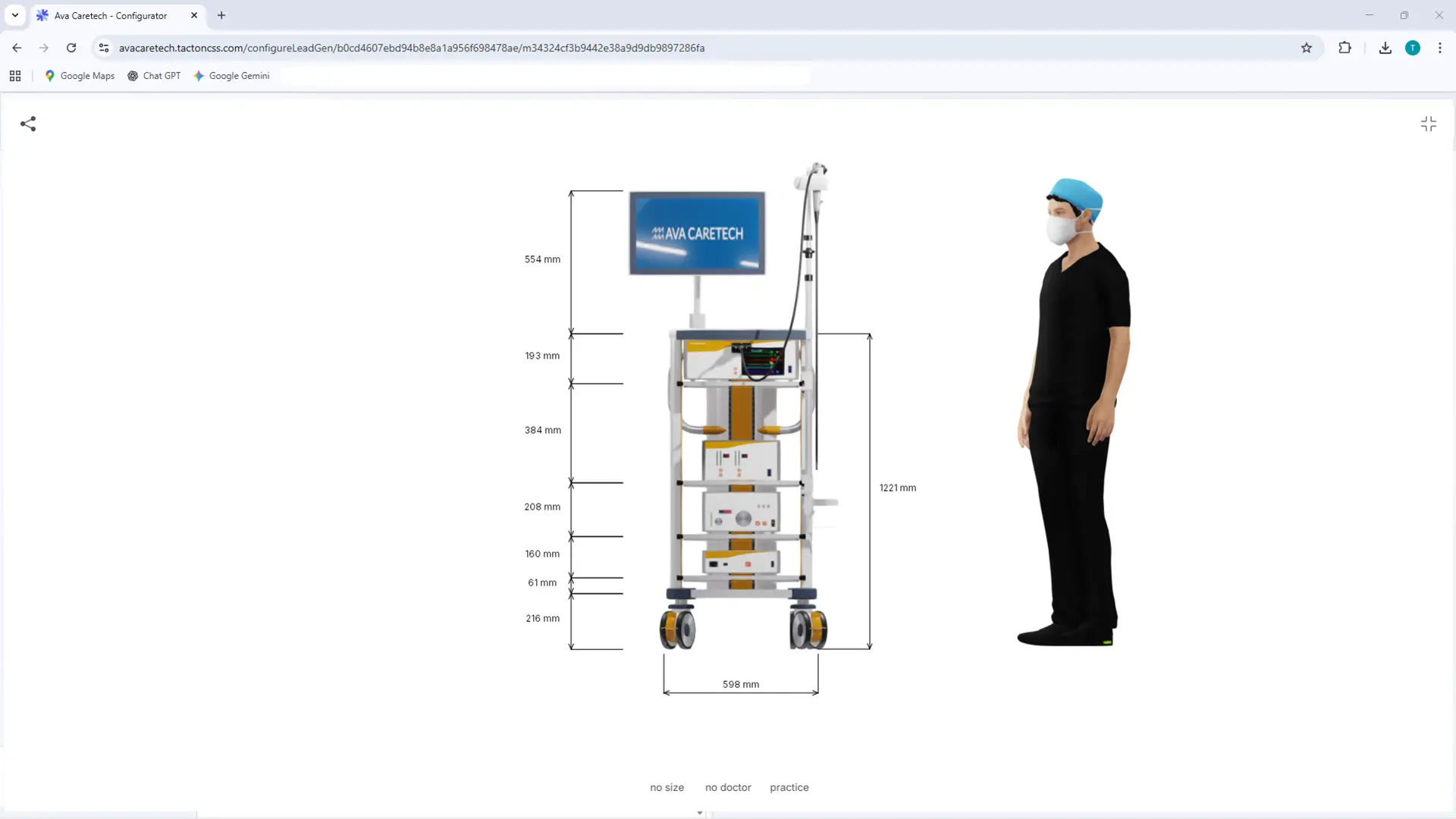
Tacton Design Automation
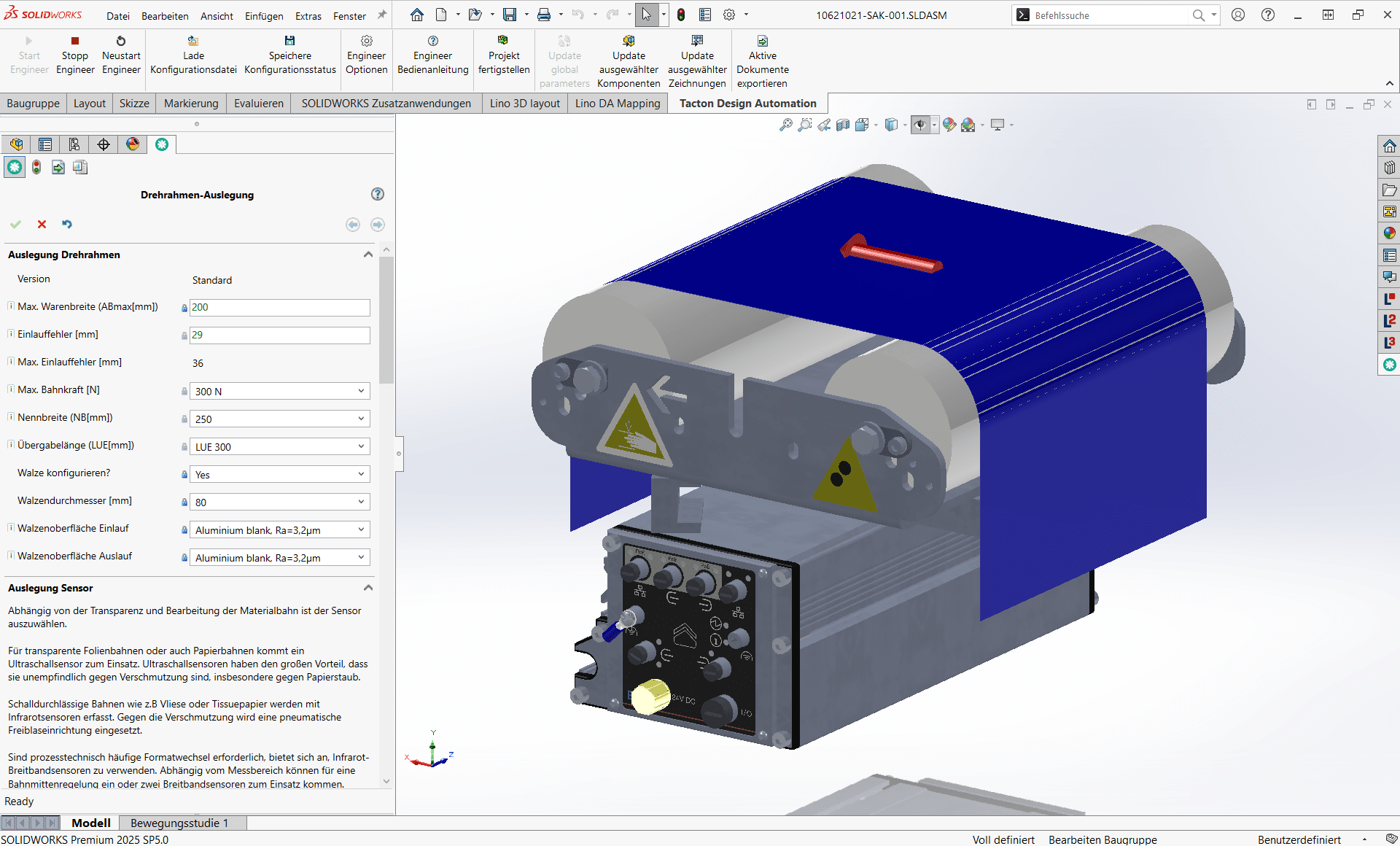
Transforms expert knowledge into intelligent rules to automatically generate complex 3D models, drawings, and bill of materials—saving up to 90% of engineering time.
Lino® Hub
Seamlessly connects sales, engineering, and manufacturing for end-to-end digital processes.
Seamlessly integrates CPQ, CAD, ERP, and PDM for error-free, automated data flows without media breaks.
Lino® Automate
Transforms routine CAD tasks into fully automated workflows using intelligent action lists and seamlessly integrates them with PDM, PLM, or ERP systems—for maximum time savings.
Lino® 2D fix
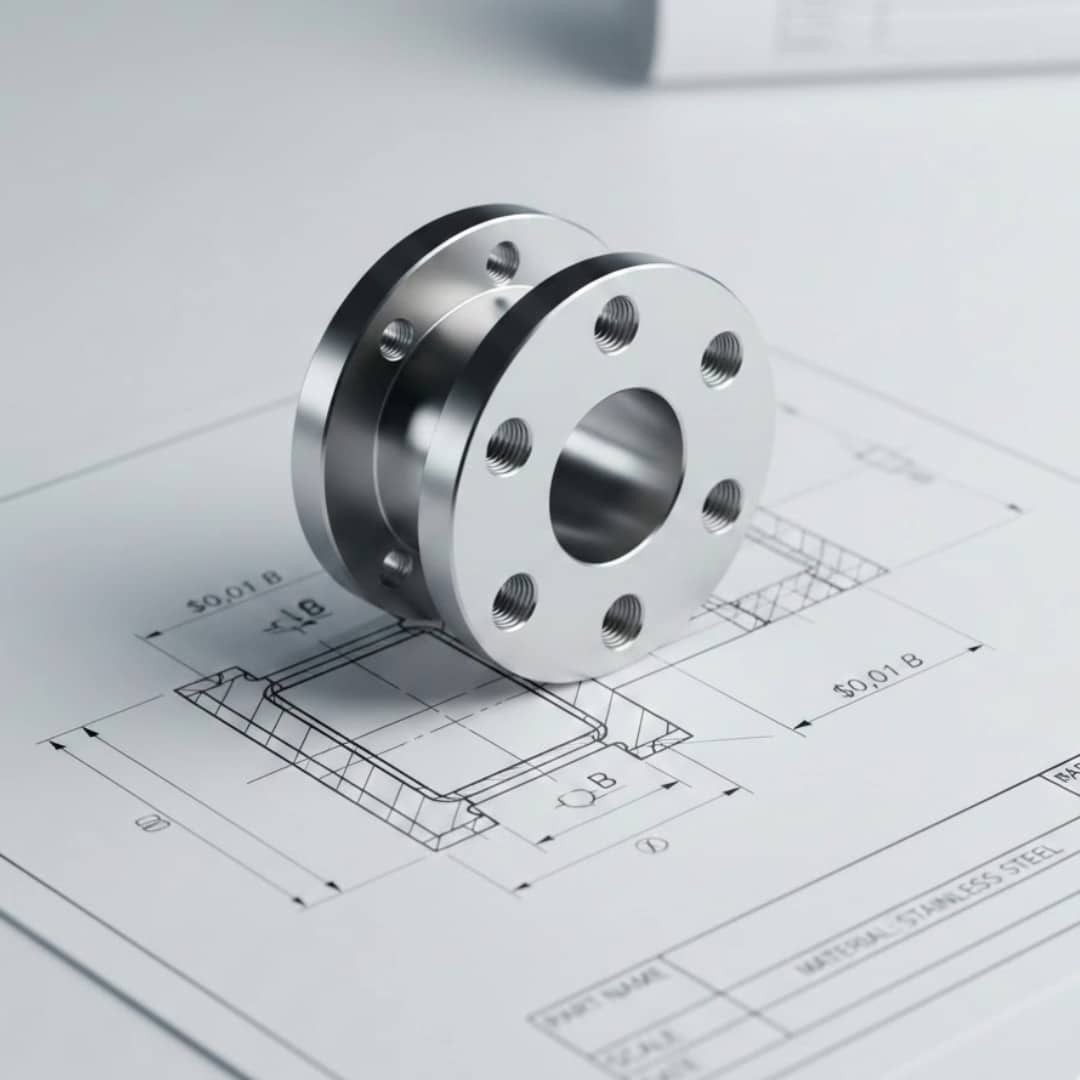
Drawing automation without manual adjustments for production-ready layouts.
Automatically optimizes drawing layouts, avoids dimension conflicts, and dynamically adjusts scales.
Lino® 3D layout
Uses drag-and-drop and snap technology for collision-free layouts. Ensures seamless data flow from sales to installation without any data loss.

Relevant Processes
The digital engineering processes supported by Lino connect system integration, configuration, and automation into a seamless value chain – from the first customer contact through to the finished machine system.
Design Automation for Rapid Product Development
Optimize your design process with Design Automation and CAD automation. Product rules automatically generate 3D CAD models, 2D drawings, and bills of materials. This accelerates engineering processes, reduces errors, and significantly decreases routine engineering tasks.
Product Configuration for Individual Customer Solutions
Master product variety with a product configurator and CPQ system. Using rule-based variant configuration and guided selling, sales teams, partners, and customers create technically valid product variants, quotes, and configuration data – directly integrated into CAD and ERP systems.
System Integration for a Seamless Corporate IT Landscape
Connect your IT systems into a continuous data chain. Through system integration in mechanical engineering, CAD, ERP, CRM, and PDM/PLM systems are seamlessly linked. This creates a consistent digital thread along the entire product lifecycle.
Process Automation for Seamless Digital Workflows in Mechanical Engineering
Workflow and process automation connects engineering systems into seamless digital workflows. Automated workflows handle recurring tasks, reduce manual steps, and ensure consistent data between CAD, PDM, ERP, and CRM.
Visualizing 3D Products in the Web Browser
With 3D product visualization on the web, you can present complex products interactively in the browser. Thanks to modern technologies such as WebGL 3D viewers, variants can be displayed in real time and directly linked to configurators or web shops.
Generating Technical Drawings Automatically
Create technical drawings automatically from 3D CAD models. Drawing automation generates standards-compliant manufacturing documentation, automatically adjusts layouts, and reduces manual rework after model changes.
3D Layout Planning for Modern, Impressive Plant Layouts
Plan entire plants with 3D layout planning and digital factory planning. With CAD-based 3D plant planning, you can create layouts, detect collisions early, and validate projects faster.
Together, we analyze your existing workflows and identify concrete potential for more efficient, digital processes – practical, structured, and with a clear focus on measurable value.
- Analysis of your engineering and sales processes
- Identification of optimization potential
- Clear roadmap for your digital transformatio
See for Yourself

Frequently Asked Questions
The FAQs answer questions about the packaging machinery industry in the context of the Lino portfolio.
Find answers about the modular configuration and automated engineering of packaging lines. Learn how Tacton CPQ and Tacton Design Automation create technically valid configurations from dozens of module options, automatically generate complete 3D models, enable layout planning for customer facilities, and transfer data seamlessly all the way into the ERP – for up to 40% shorter lead times from quotation to production.
How does Lino 2D fix help with the automatic derivation of standards-compliant manufacturing drawings for packaging machines?
After automatic 3D model generation by Tacton Design Automation, Lino 2D fix takes over the fully automated derivation and optimization of the associated 2D manufacturing drawings. The tool automatically adapts drawing layouts, avoids dimensioning conflicts, and ensures standards-compliant representations – even when models are modified following customer requests. Manual rework on drawings after design changes is largely eliminated, saving considerable time particularly for packaging lines with many format variants and frequent customizations.
Can spare parts lists and service packages be automatically generated based on a configured packaging line?
Yes. Since the complete bill of materials for the packaging line is already structured as part of the configuration and design automation process, Lino Hub can use this data directly as the basis for spare parts lists, maintenance plans, and service packages. The transfer to the PDM/PLM or ERP system is fully automated and ensures that after-sales-relevant data is always consistent with the actual delivered machine configuration. This creates a seamless digital thread from configuration to service – without manual data maintenance.
How are media discontinuities between sales configuration, engineering, and ERP eliminated for packaging machines?
Lino Hub connects Tacton CPQ, Tacton Design Automation, the CAD system, and the ERP into a seamless, automated process chain. A completed configuration in the CPQ system automatically triggers 3D model generation and transfers bills of materials and manufacturing data directly into the ERP without manual intervention. Manual data transfers via Excel or email are completely eliminated. The result is consistent data throughout the entire value chain – from customer inquiry through engineering to assembly – and a lead time from quotation to production that is up to 40% shorter.
How does Lino 3D layout support the layout planning of complete packaging lines in customer facilities?
Lino 3D layout allows sales engineers to place configured packaging modules using drag-and-drop into a true-to-scale 3D model of the customer’s facility. Conveyor routes, access paths for maintenance and cleaning, utility connection points, and safety zones are validated directly, with collisions detected at an early stage. The customer receives a walkable 3D visualization of their complete packaging line during the quotation phase – as a compelling basis for investment decisions in the six-figure range, weeks before detailed engineering begins.
How does Tacton Design Automation automatically generate 3D models for configured packaging machines?
Once a packaging machine or line is configured in the CPQ system, Lino Hub transfers the parameters to Tacton Design Automation. Design Automation then fully automatically generates the complete parametric 3D CAD model – including all configured modules, format parts, infeed stations, and interfaces. The model is immediately exportable as a STEP file and can be integrated directly into the customer’s facility planning. Tacton Design Automation reduces manual engineering effort per order by up to 90%, making packaging machine manufacturers significantly more competitive during the quotation phase.
How does Tacton Design Automation automatically generate 3D models for configured packaging machines?
Once a packaging machine or line is configured in the CPQ system, Lino Hub transfers the parameters to Tacton Design Automation. Design Automation then fully automatically generates the complete parametric 3D CAD model – including all configured modules, format parts, infeed stations, and interfaces. The model is immediately exportable as a STEP file and can be integrated directly into the customer’s facility planning. Tacton Design Automation reduces manual engineering effort per order by up to 90%, making packaging machine manufacturers significantly more competitive during the quotation phase.