


Design Automation Software in Machinery Industry
The driving force behind automated design
Deliver Custom Solutions in Record Time
In modern mechanical engineering, time is essential to staying competitive. When complex customer requirements meet time‑consuming routine work, bottlenecks quickly arise in the design process. Design automation provides relief by combining CAD automation with intelligent rules that fully automate repetitive design tasks.

Design Automation Solidworks and Inventor: Innovation over Routine
Automated design removes the need for manual work on repetitive tasks. Your CAD system automatically generates fully valid 3D models, engineering drawings, and bills of materials using both technical and commercial parameters.
This process is driven by rule‑based design, where your product knowledge is stored digitally. Every variant is automatically checked to ensure it meets technical requirements and customer expectations right from the start.
The Digital Thread Connecting Your Operations
Engineering automation reaches its full potential when CAD, PDM, ERP, and CRM systems work together. This integration creates a seamless digital workflow that connects every step of the design process, from initial inquiry all the way to manufacturing. With reliable, consistent data in place, your engineers can focus on innovation and product development instead of routine tasks.
Benefits of Design Automation
Automate Your Engineering Workflows
Ready to take your efficiency to the next level? Join one of our webinars to learn how we can speed up your workflows or request a one-on-one consultation today!
Together, we analyze your existing workflows and identify specific opportunities for more efficient, digital processes – in a practical, structured manner and with a clear focus on measurable benefits.
- Analysis of your engineering and sales processes
- Identification of opportunities for optimization
- A clear roadmap for your digital transformation
Check it out for yourself
Webinars
Register now for our free webinar or contact an expert for a personalized consultation.
Our webinars are intended exclusively for companies within our defined target audience.
The Services that make Digital Transformation Projects a Success
Successful digital transformation isn’t achieved simply by using software. We support and advise our clients throughout the entire lifecycle—from the initial idea to stable operation.

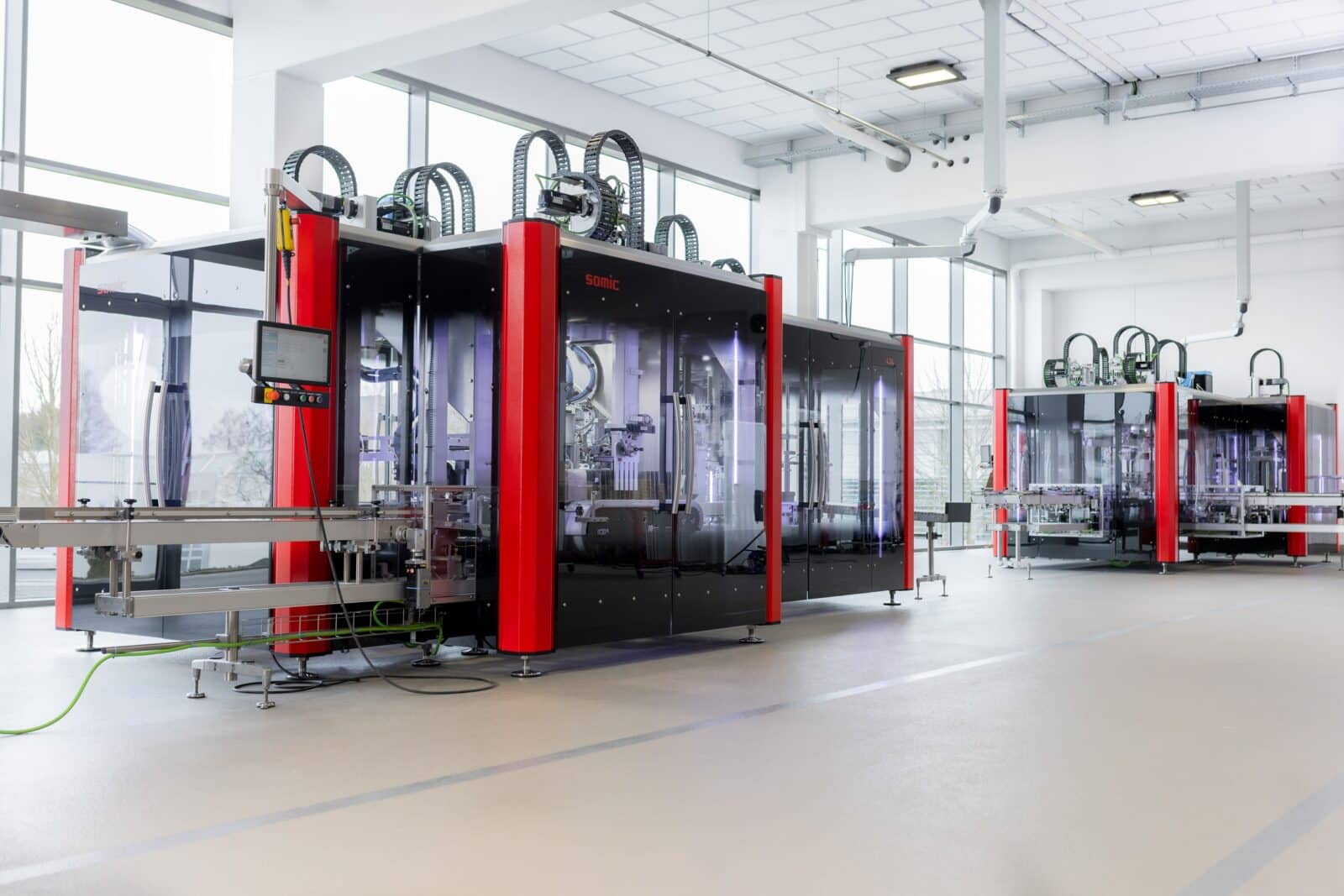
Software for Design Automation
Our software and solutions address the challenges that arise when industrial processes reach their limits: product variety, manual handoffs, and a lack of integration between sales, engineering, and IT.
Lino® Hub
Seamlessly connects sales, engineering, and manufacturing for end-to-end digital processes.
Seamlessly integrates CPQ, CAD, ERP, and PDM for error-free, automated data flows without media breaks.
Lino® 2D fix
Drawing automation without manual adjustments for production-ready layouts.
Automatically optimizes drawing layouts, avoids dimension conflicts, and dynamically adjusts scales.
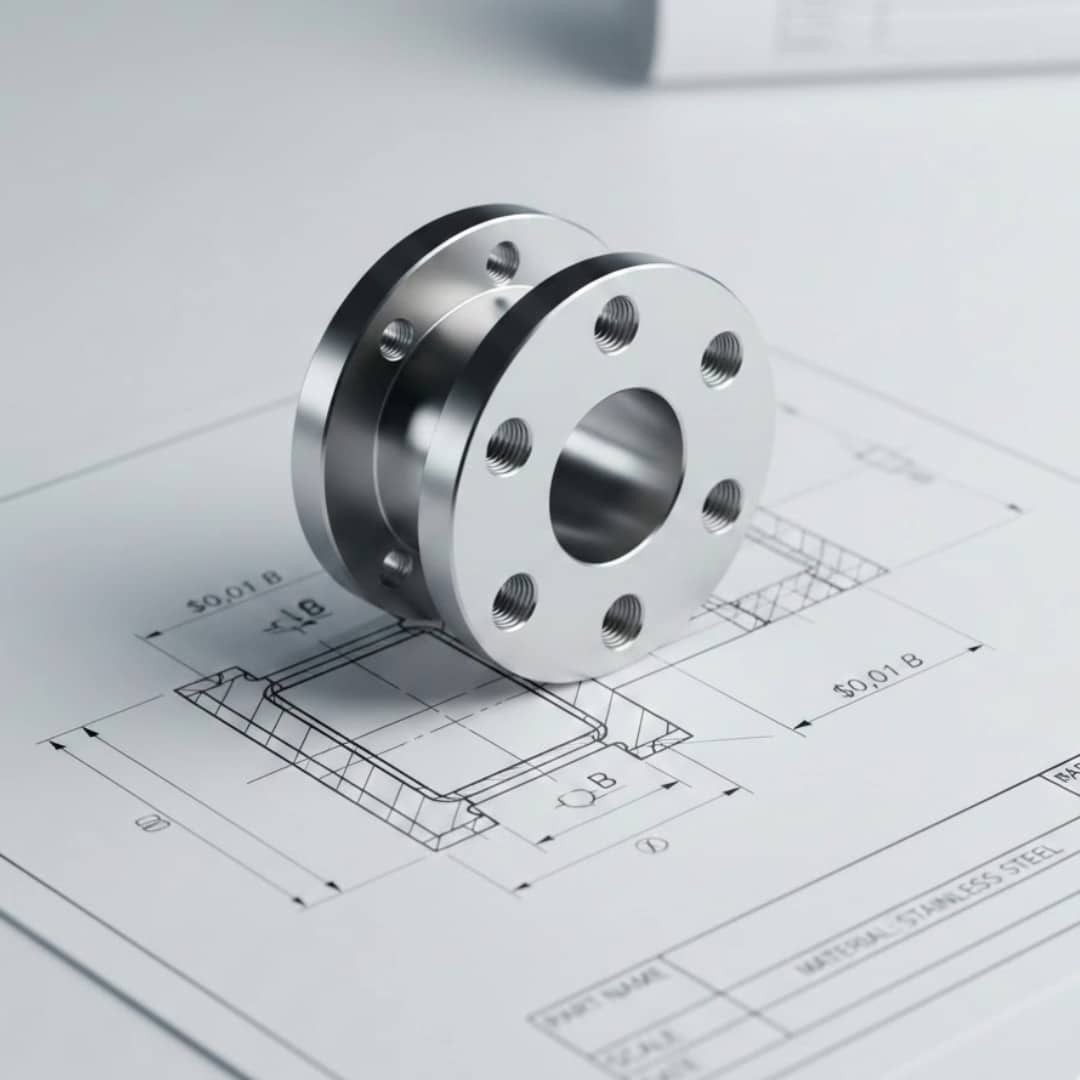
Tacton CPQ
The constraint-based engine intuitively guides users to a technically sound solution. It significantly speeds up the quote generation process and ensures maximum price transparency through automated real-time calculations for the sales team.
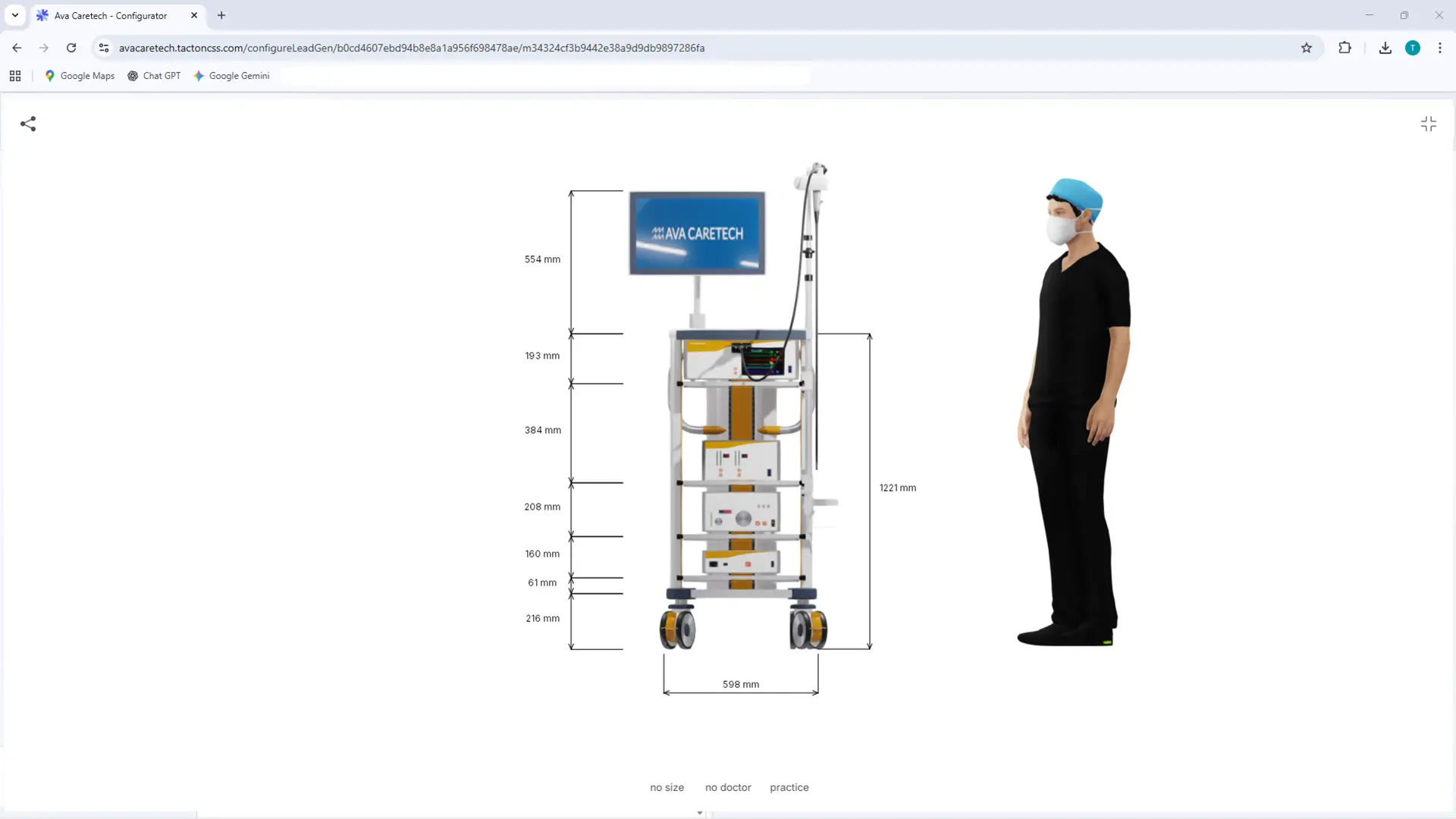
Tacton Design Automation
Transforms expert knowledge into intelligent rules to automatically generate complex 3D models, drawings, and bill of materials—saving up to 90% of engineering time.
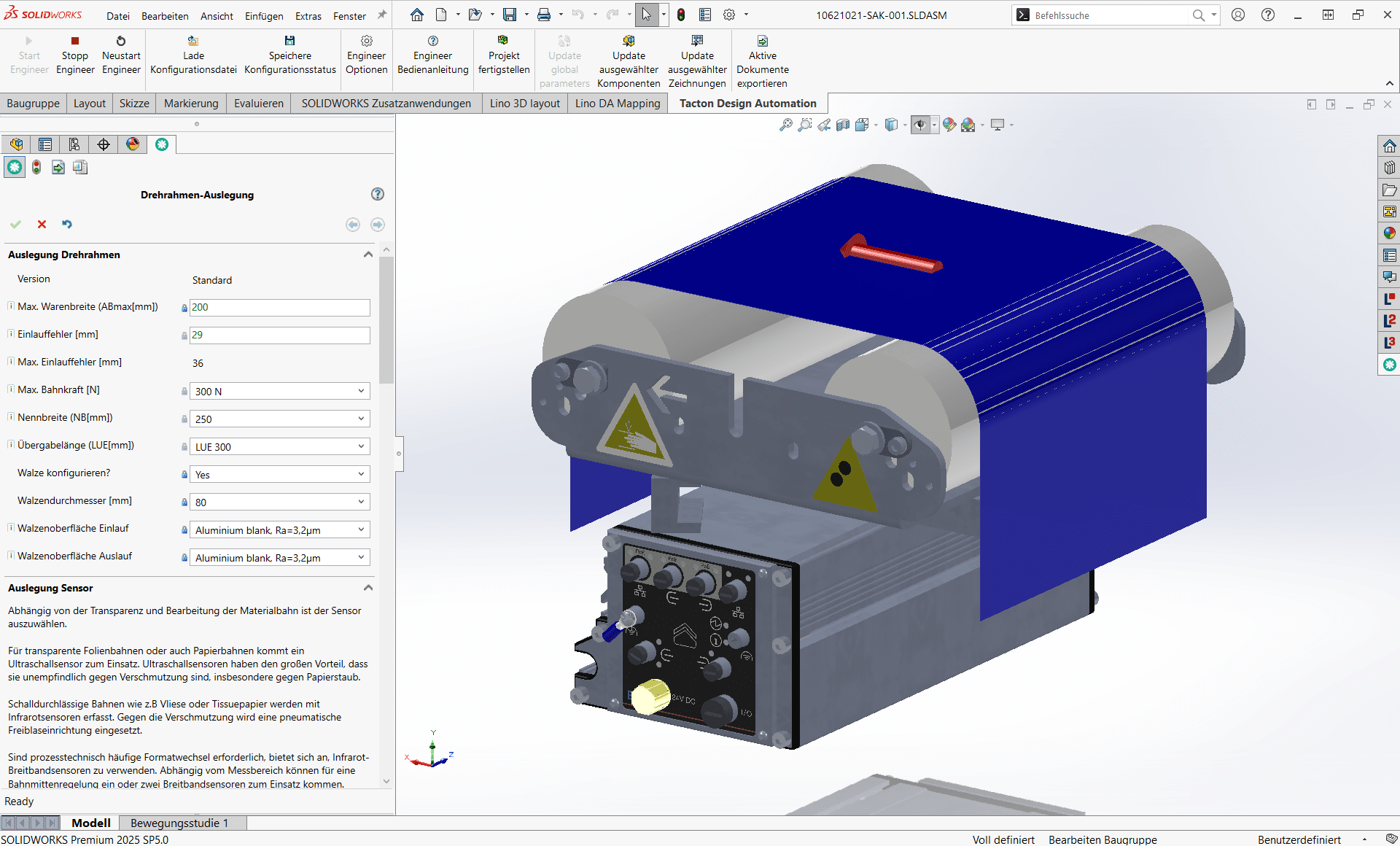
Simply integrate. Intelligently automate.
Digital engineering processes for mechanical and plant engineering: Automate design, product configuration, and workflows; seamlessly integrate CAD, PDM, and ERP; and accelerate sales, planning, and manufacturing—efficiently, error-free, and with future-proof connectivity.
Frequently asked questions
Knowledge base on CAD automation, variant design, and engineering efficiency.
Here you’ll find answers to questions about automating design processes in mechanical and plant engineering.
Learn how CAD models, drawings, and bill of materials are automatically generated from product rules, and how design automation shortens lead times, reduces errors, and lightens the workload for engineering teams.
What advantages does design automation offer for engineering?
Thanks to full automation, design deliverables are created in a fraction of the time previously required. Routine tasks are eliminated, sources of error are minimized, and experts gain time for innovative development work. At the same time, the quality and consistency of all generated documents increase.
How does design automation work in practice?
Technical and commercial parameters control the automatic generation of valid 3D models, 2D drawings, and bills of materials. Every variant is checked against rules and fully documented. Design engineers no longer have to model manually, but instead trigger automated processes based on defined product logics.
What does design automation mean in mechanical engineering?
Design automation describes the complete automation of recurring design tasks in mechanical and plant engineering. Product knowledge is transferred into an intelligent rule set that automatically generates CAD models, drawings, and bills of materials. This enables customer-specific variants to be configured quickly, error-free, and in a standardized way, directly from within the CAD system.
Can design automation reduce errors?
Yes. Because every variant is based on a defined rule set, manual interventions and typical inaccuracies are eliminated. Each configuration is validated automatically so that invalid combinations do not arise in the first place. This supports a strict zero-defect strategy.
How does design automation integrate into existing systems?
Design automation can be seamlessly integrated into existing IT landscapes such as PDM, ERP, or CRM systems. This creates an end-to-end process chain from the first customer contact through to manufacturing. The so-called “digital thread” ensures consistent data across all departments.
Is design automation only suitable for large companies?
No. Companies with variant-rich products benefit regardless of their size. As soon as recurring design tasks occur, significant time and cost savings can be achieved. The solution can be operated locally in engineering or centrally on a server.
Which documents can be generated automatically?
Design automation automatically generates complete 3D models, 2D drawings, bills of materials, and other production-relevant documents. Every variant is immediately available in a consistent, manufacturing-ready form, without any manual rework.
How does design automation accelerate the entire product lifecycle?
Automated generation and system integration significantly shorten lead times from quotation to delivery. Information flows without media disruptions between sales, engineering, and production. This sustainably increases efficiency, quality, and competitiveness.
How is an engineering-to-order (ETO) process transformed into a configure-to-order (CTO) process?
With constraint-based design automation, all design variants can be generated automatically in CAD. This is made possible by controlling the CAD model via an efficient configuration rule set. Depending on the situation, fully automated CAD documents can be generated with or without manual review, or the 80/20 approach can be applied (80 percent automated, 20 percent manual). This process is also referred to as CTO(+).