


Technical Article
A formal or opinion-driven text on specific topics such as Lino-supported processes, customer applications, or the Lino portfolio. The goal is to convey knowledge, insights, or experiences to interested readers in a clear and authoritative manner. This archive contains all technical articles from Lino.
TECHNICAL ARTICLE
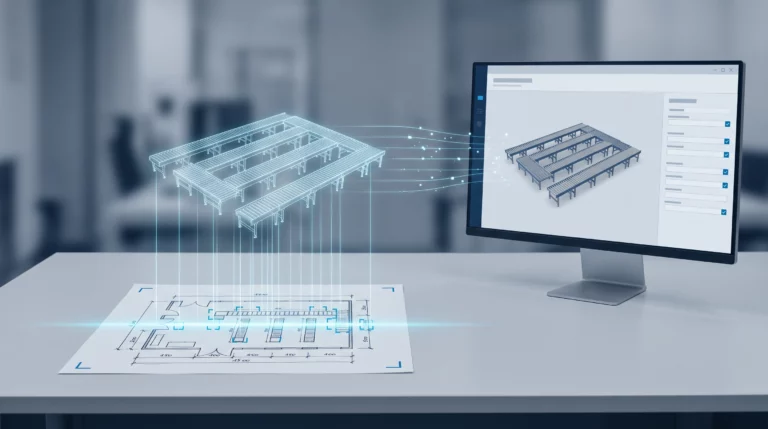
Engineering AI: Why Customer Requirements No Longer Need to Be Retyped
Capture Customer Requirements Automatically The request arrives as a PDF. A 38 page specification, plus a sketch of the factory hall on page 12 with dimensions added by hand. Before it turns into a quotation with a layout, every single requirement travels through the company four times: it is retyped, maintained in an Excel list, … Continued
TECHNICAL ARTICLE
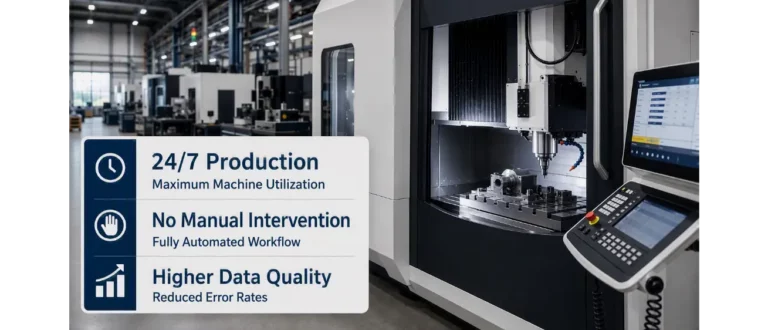
CAM Programming: Why No One Will Do It by Hand Anymore in the Future
A new machining center is meant to run around the clock. Without continuous CAM data, it never reaches its potential. A look at the process - and what Lino® Hub automates.

LINO 3D LAYOUT
3D Web Visualization: Experience Product Variants Interactively in the Browser
A brochure with high-gloss photos appears complete until the customer asks for the variant with a different drive, different housing, and a different connection position. At that point, it becomes clear that the image represented only one out of hundreds of possible configurations.

TECHNICAL ARTICLE
CAD Automation: Why Every Custom Configuration Costs Your Engineering Team Two Weeks
A customer requests a custom configuration. Sales configures the matching variant that same morning in the CPQ system. And then the waiting begins: in many machine-building companies, it takes engineering two weeks or more to turn that into a matching 3D model, drawing, and bill of materials.
TECHNICAL ARTICLE
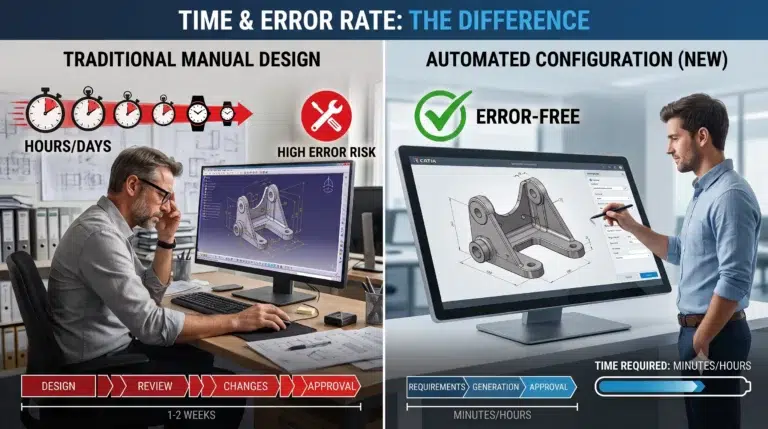
Process Automation in Mechanical Engineering: How Companies Are Removing Manual Routine from Design
A customer requests a custom variant, sales commits to a delivery date, and the design department begins the search for the right CAD model. Weeks pass before the drawing and bill of materials are finished,....

TECHNICAL ARTICLE
System Integration: The Difference Between Point Solutions and End-to-End Continuity
Why many manufacturers still transfer part numbers and BOMs by hand between CAD, PDM, and ERP – and what that manual work really costs engineering teams.
TECHNICAL ARTICLE
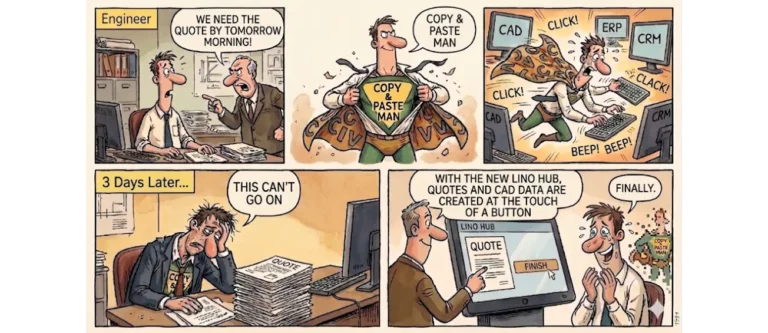
Engineering Automation: How Mechanical and Plant Engineers Seamlessly Connect Sales, Engineering, and Manufacturing
Why redundant data entry across CAD, PDM, ERP, and CRM causes up to 30% of engineering errors – and how Engineering Automation fixes the root cause.
TECHNICAL ARTICLE
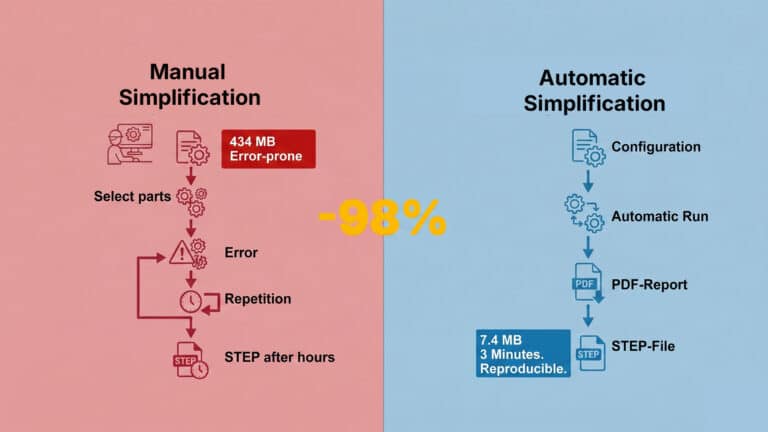
Manual 3D model simplification isn’t a process. Its a waste of resources.
Anyone who still removes screws, holes, and internal assemblies manually from a SolidWorks model before sending it to a supplier is paying a price—in terms of labor hours, the risk of errors, and tied-up engineering capacity. This process can be automated. And there’s no good reason to wait.