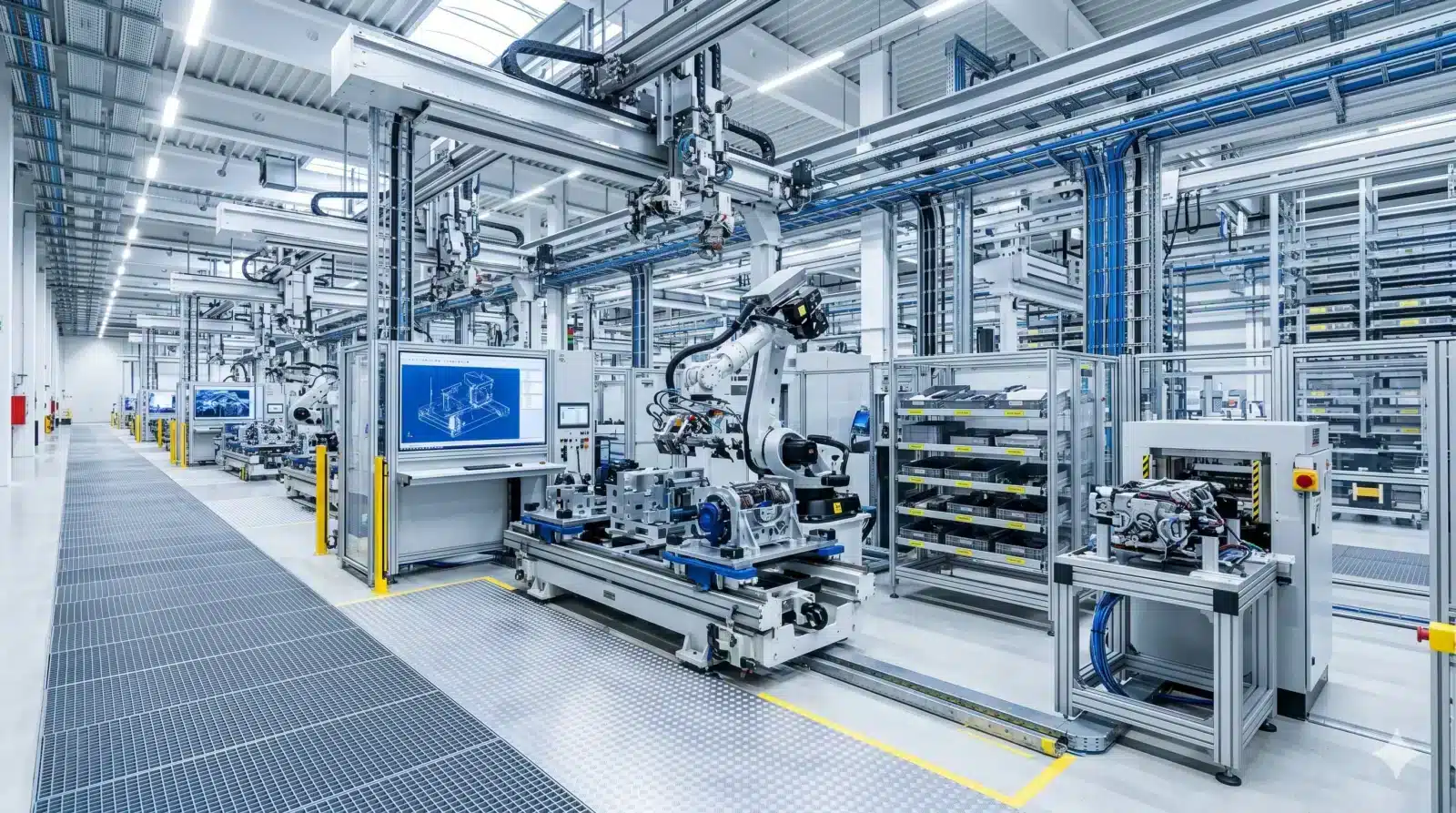
Manufacturing that doesn’t
wait on faulty bills of materials
Up to 30% of all errors result from redundant, manual data entry between CAD, PDM, and ERP. End-to-end automation cuts lead times by 25–50% and design errors by more than 30%.
In Focus
The two-week gap in order fulfillment
Up to 30% of all errors result from redundant, manual data entry between CAD, PDM, and ERP — with the consequence that bills of materials and drawings are often not production-ready until two weeks or more after the order is received. Lino closes this gap with automated design and integration — end-to-end, rule-based, and without duplicate data entry:
When manufacturing is left waiting on data
Many manufacturing companies maintain product data separately across CAD, PDM, ERP, and CRM. As a result, manufacturing receives inconsistent or incomplete information — and has to ask follow-up questions instead of producing.
In practice, it takes two weeks or more before a customer order is production-ready as a complete set of CAD model, drawing, and bill of materials. A significant share of all errors doesn’t originate on the shop floor itself, but upstream — through redundant, manual data entry between systems.

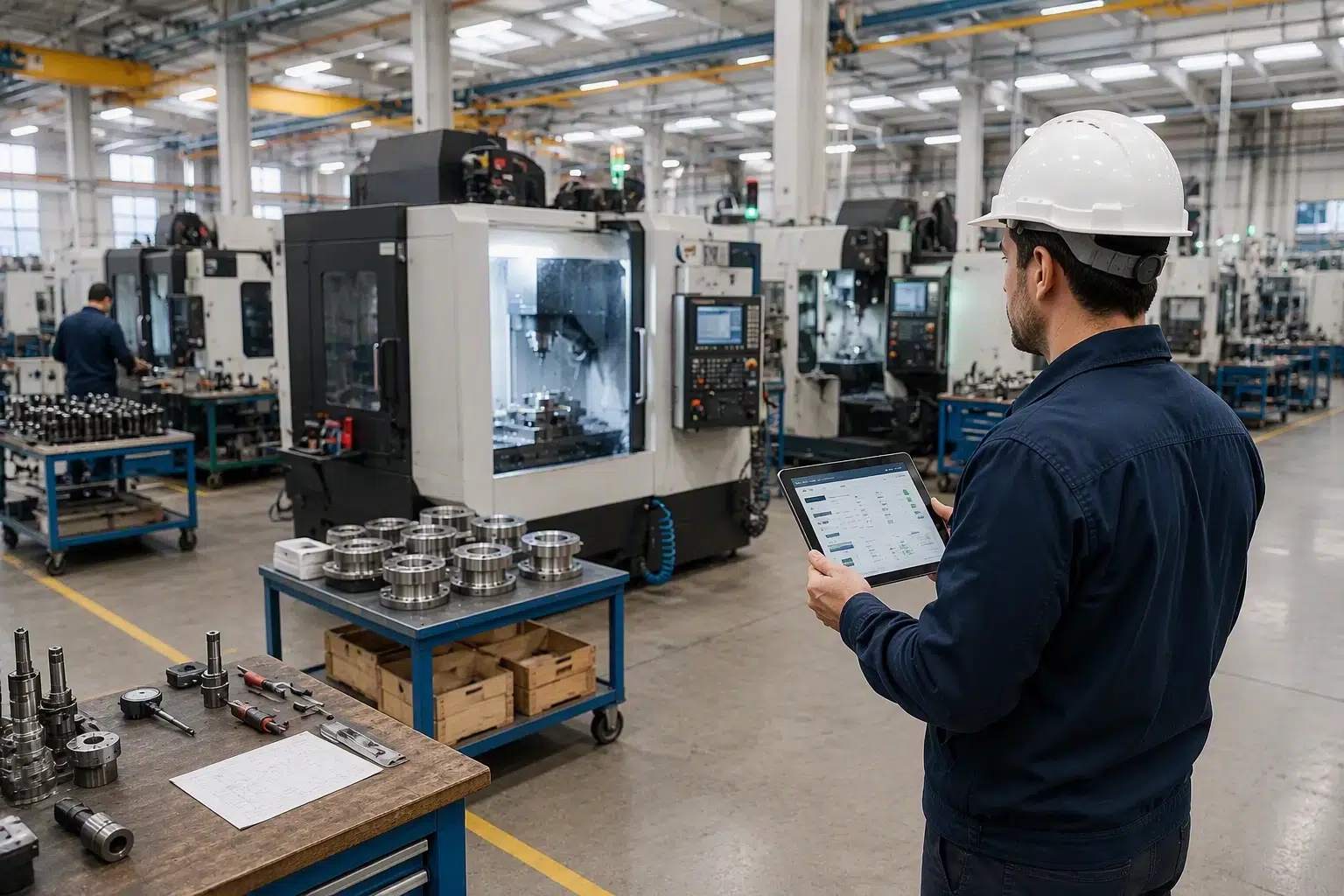
Automated handover instead of waiting
What shortens the wait is an end-to-end automation chain from configuration through to production release — rather than re-entering data by hand at every interface.
Three core benefits:
- Bills of materials and drawings generated automatically, not manually — created directly from the configuration instead of being reworked individually.
- Bidirectional integration between CAD, PDM, and ERP — no information is entered twice or transferred manually.
- Collision checking before assembly — spatial conflicts become visible in the 3D model long before they cause costs in manufacturing.
What manufacturing teams deal with daily
Noticeably reduce the error rate
Up to 30% of all errors result from redundant, manual data entry between systems.
Speed up production release
Bills of materials and drawings are today often not production-ready until two weeks after the order is received.
Keep master data consistent
Design and ERP synchronize master data and bills of materials automatically instead of manually.
Catch assembly errors early
Spatial collisions show up in the 3D model long before they generate costs in assembly.
Deliver error-free drawings
Automatically placed views and dimensions reduce the risk of errors in manufacturing.
Protect design know-how
Simplified models for external manufacturing partners show only the necessary geometry.
Software for Manufacturing
Our software and solutions address the challenges that arise when industrial processes reach their limits: product variety, manual handoffs, and a lack of integration between sales, engineering, manufacturing and IT.
Lino® Hub
Seamlessly connects sales, engineering, and manufacturing for end-to-end digital processes.
Seamlessly integrates CPQ, CAD, ERP, and PDM for error-free, automated data flows without media breaks.

Lino® Automate
Transforms routine CAD tasks into fully automated workflows using intelligent action lists and seamlessly integrates them with PDM, PLM, or ERP systems—for maximum time savings.
Lino® Simplify
Reduces 3D complexity for maximum performance and secure protection of intellectual property.

Lino® 2D fix
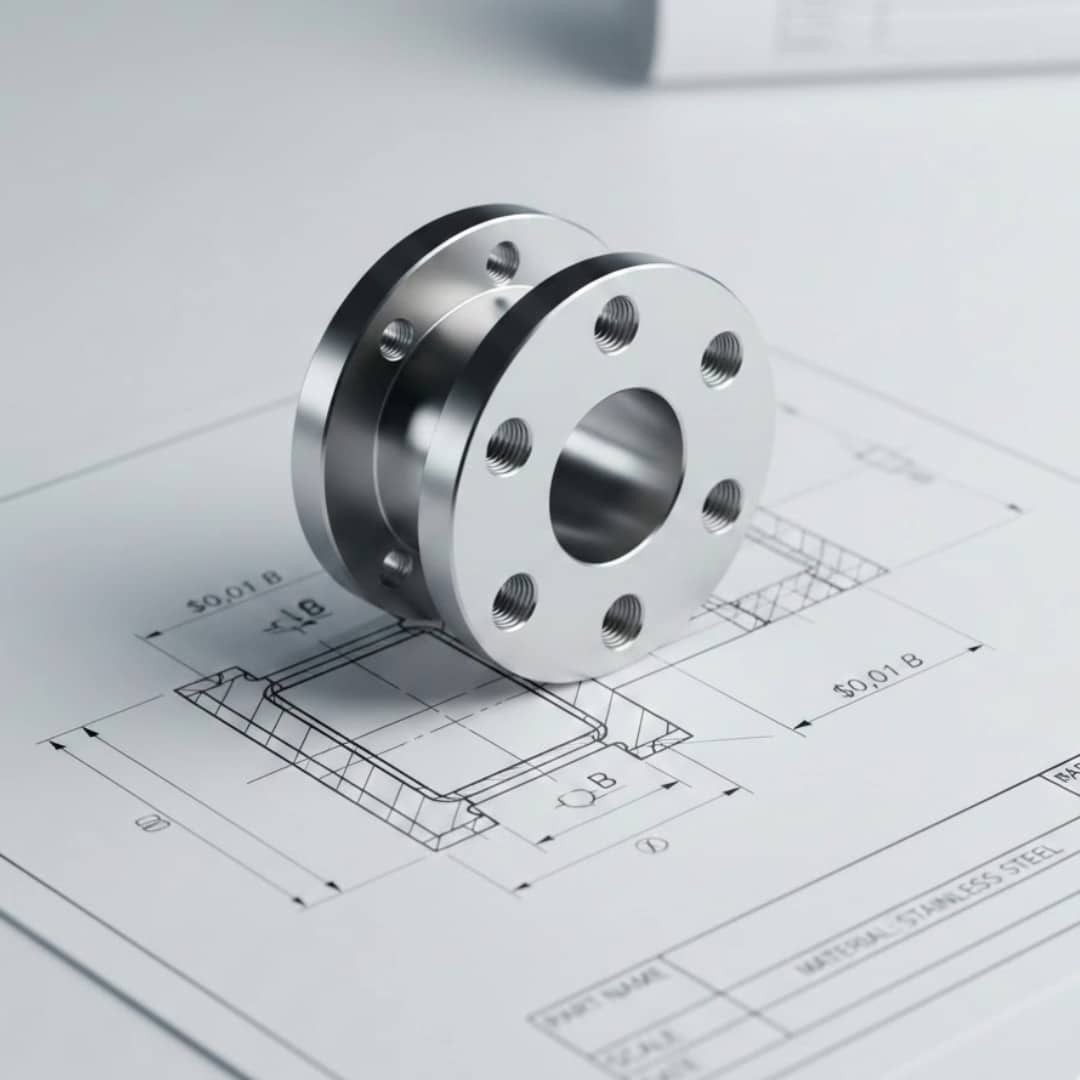
Drawing automation without manual adjustments for production-ready layouts.
Automatically optimizes drawing layouts, avoids dimension conflicts, and dynamically adjusts scales.
Lino® 3D layout
Uses drag-and-drop and snap technology for collision-free layouts. Ensures seamless data flow from sales to installation without any data loss.

Lino® AI Agent
Intuitively captures requirements through voice input, prevents configuration errors, and connects requests directly to CAD automation and ERP systems for a seamless digital workflow.

Latest News
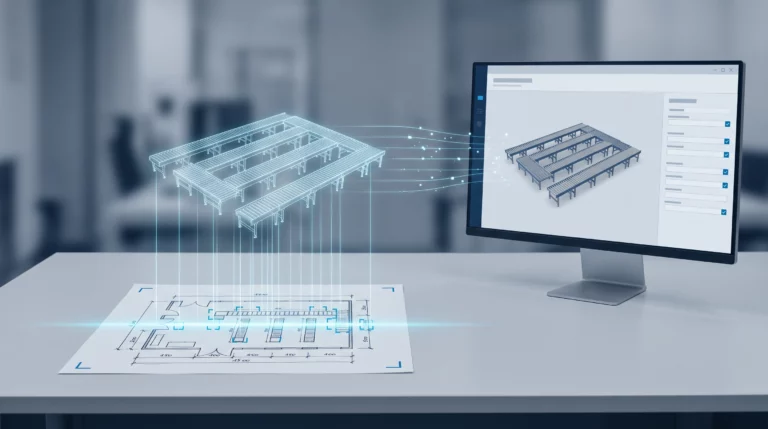
Engineering AI: Why Customer Requirements No Longer Need to Be Retyped
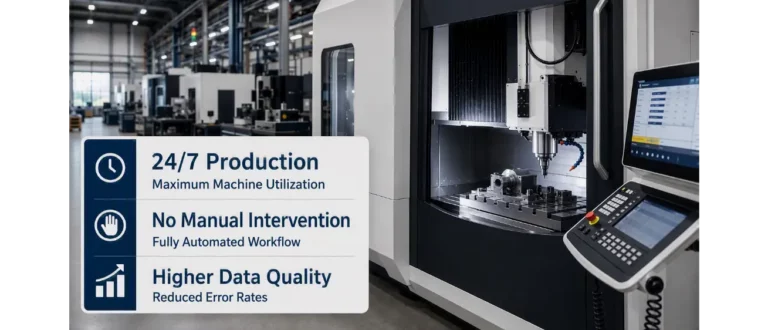
CAM Programming: Why No One Will Do It by Hand Anymore in the Future

Tyrolit Group Achieves 24/7 Production with Lino® Hub
Frequently Asked Questions
Knowledge base on production approval, data quality, and assembly errors.
Solutions for manufacturing and production managers who want to reduce sources of error between design and manufacturing. Learn how quickly production-ready documentation can be made available, whether existing ERP and PDM systems need to be replaced, and how assembly errors can be identified even before manufacturing begins.
How quickly are production-ready BOMs and drawings available after an order is placed?
Automated generation eliminates the two-week or longer wait time that is common today after an order is received.
Do we have to replace our existing ERP or PDM system?
No – Lino Automate complements existing PDM and ERP systems via automated interfaces, rather than replacing them.
How are assembly errors detected early on?
Spatial collisions become visible in the 3D model before they result in costs during assembly.
What happens when design data is shared with external manufacturing partners?
Automated model simplification reduces the shared geometry to the bare essentials, thereby protecting sensitive design know-how.
How reliable are automatically generated bills of materials?
Outputs are validated against a fixed set of rules before being transferred to manufacturing, rather than proceeding unchecked.
See for yourself, using your specific use case, how complex processes are simplified, systems are integrated and automation delivers measurable results.
- Practical demo with realistic use cases
- The next step for your digital transformation project
- Measurable benefits and ROI in record time